
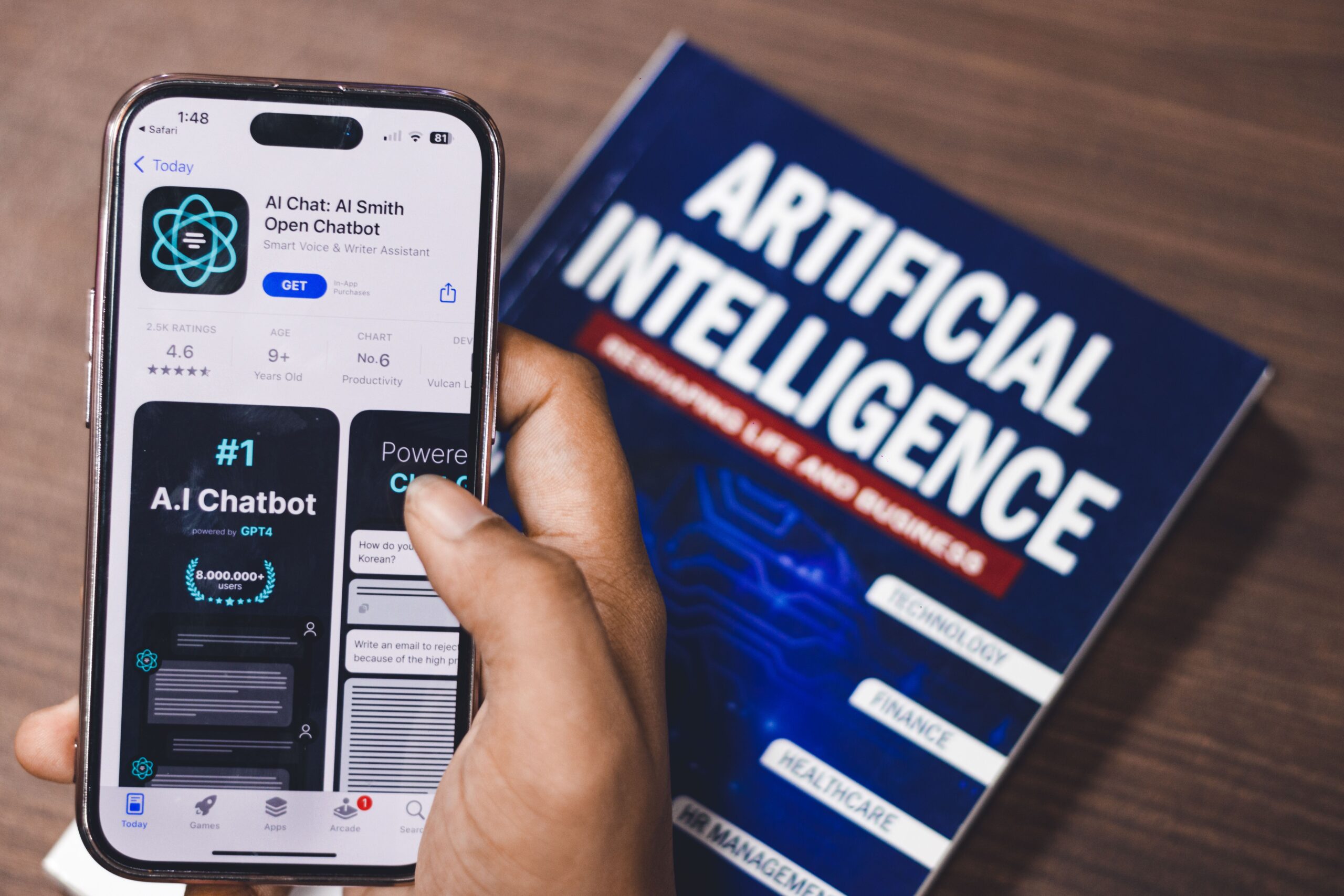
Meta Description: Discover how AI adoption is transforming small and medium-sized enterprises (SMEs). Learn the benefits, common challenges, and practical strategies for successful AI implementation.
AI Is No Longer Just for Large Corporations
For years, artificial intelligence (AI) was viewed as a technology reserved for multinational corporations with massive budgets and dedicated data science teams. That perception is rapidly changing.
Today, AI-powered tools are becoming more accessible, affordable, and easier to integrate into everyday business operations. As a result, small and medium-sized enterprises (SMEs) have an unprecedented opportunity to improve efficiency, enhance customer experiences, and compete more effectively.
The question is no longer whether SMEs should adopt AI.
The real question is whether they can afford not to.
Why AI Adoption Matters for SMEs
Artificial intelligence is changing how businesses operate by enabling faster decisions, reducing manual work, and uncovering valuable insights from data.
For SMEs, AI can provide significant competitive advantages, including:
- Increased operational efficiency through automation.
- Better customer support with AI-powered chatbots.
- More accurate sales and demand forecasting.
- Improved marketing through customer personalization.
- Enhanced financial planning and fraud detection.
- Smarter inventory and supply chain management.
- Faster data-driven decision-making.
Rather than replacing employees, AI helps teams focus on higher-value activities that require creativity, critical thinking, and strategic judgment.
Key Benefits of AI Adoption
1. Improved Productivity
AI automates repetitive administrative tasks, allowing employees to focus on strategic initiatives that drive business growth.
2. Better Customer Experience
Modern AI systems provide instant responses, personalized recommendations, and 24/7 customer support, leading to higher customer satisfaction.
3. Reduced Operating Costs
Automation minimizes human error, reduces processing time, and lowers operational expenses.
4. Smarter Business Decisions
AI-powered analytics identify trends and generate insights that help managers make informed decisions faster.
5. Stronger Competitive Advantage
Businesses that adopt AI early often respond more quickly to market changes and customer needs than competitors that rely solely on traditional processes.
Common Challenges Facing SMEs
Despite its benefits, AI adoption remains uneven among SMEs.
Several barriers continue to slow implementation:
- Limited financial resources.
- Lack of AI expertise.
- Poor data quality.
- Employee resistance to change.
- Cybersecurity and privacy concerns.
- Uncertainty about return on investment (ROI).
- Difficulty integrating AI with existing systems.
Addressing these challenges requires more than purchasing technology. It requires strategic leadership, workforce training, and a clear implementation roadmap.
Practical Steps for Successful AI Adoption
Organizations considering AI implementation should focus on a structured approach.
Start with a Business Problem
Identify a specific challenge that AI can solve rather than adopting technology for its own sake.
Invest in Digital Skills
Provide employees with training so they understand how AI supports—not replaces—their work.
Improve Data Quality
Reliable AI depends on accurate, organized, and relevant data.
Begin with Small Pilot Projects
Testing AI in one department allows organizations to evaluate results before expanding implementation.
Measure Business Outcomes
Track performance indicators such as productivity, customer satisfaction, cost savings, and revenue growth to assess the impact of AI initiatives.
The Future of SMEs Is AI-Enabled
Artificial intelligence is no longer an emerging trend—it is becoming a core capability for modern businesses.
SMEs that embrace AI strategically are more likely to improve productivity, strengthen customer relationships, increase profitability, and remain competitive in an increasingly digital economy.
Success will not depend on who adopts the most advanced AI.
It will depend on who integrates AI most effectively into everyday business processes while empowering employees to use it responsibly and creatively.
Final Thoughts
AI adoption represents one of the most significant opportunities for SMEs in the coming decade.
Organizations that invest in digital transformation today are positioning themselves for sustainable growth, greater resilience, and long-term success.
Whether you are a business owner, manager, researcher, or policymaker, understanding the drivers, barriers, and best practices of AI adoption is essential for navigating the future of business.
What is your organization’s biggest challenge in adopting AI? Share your thoughts in the comments and join the conversation.
ArtificialIntelligence #AI #SMEs #BusinessStrategy #Innovation #DigitalTransformation #Leadership #FutureOfWork #Entrepreneurship #BusinessGrowth